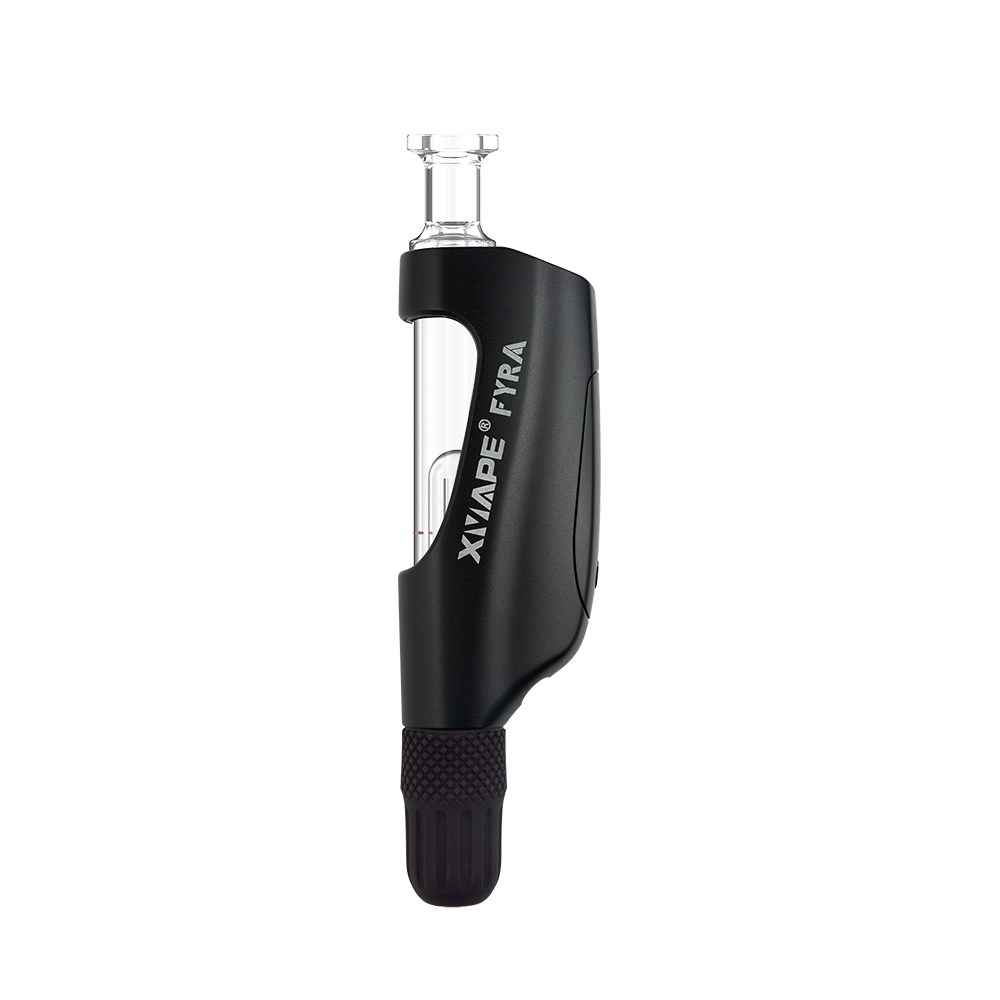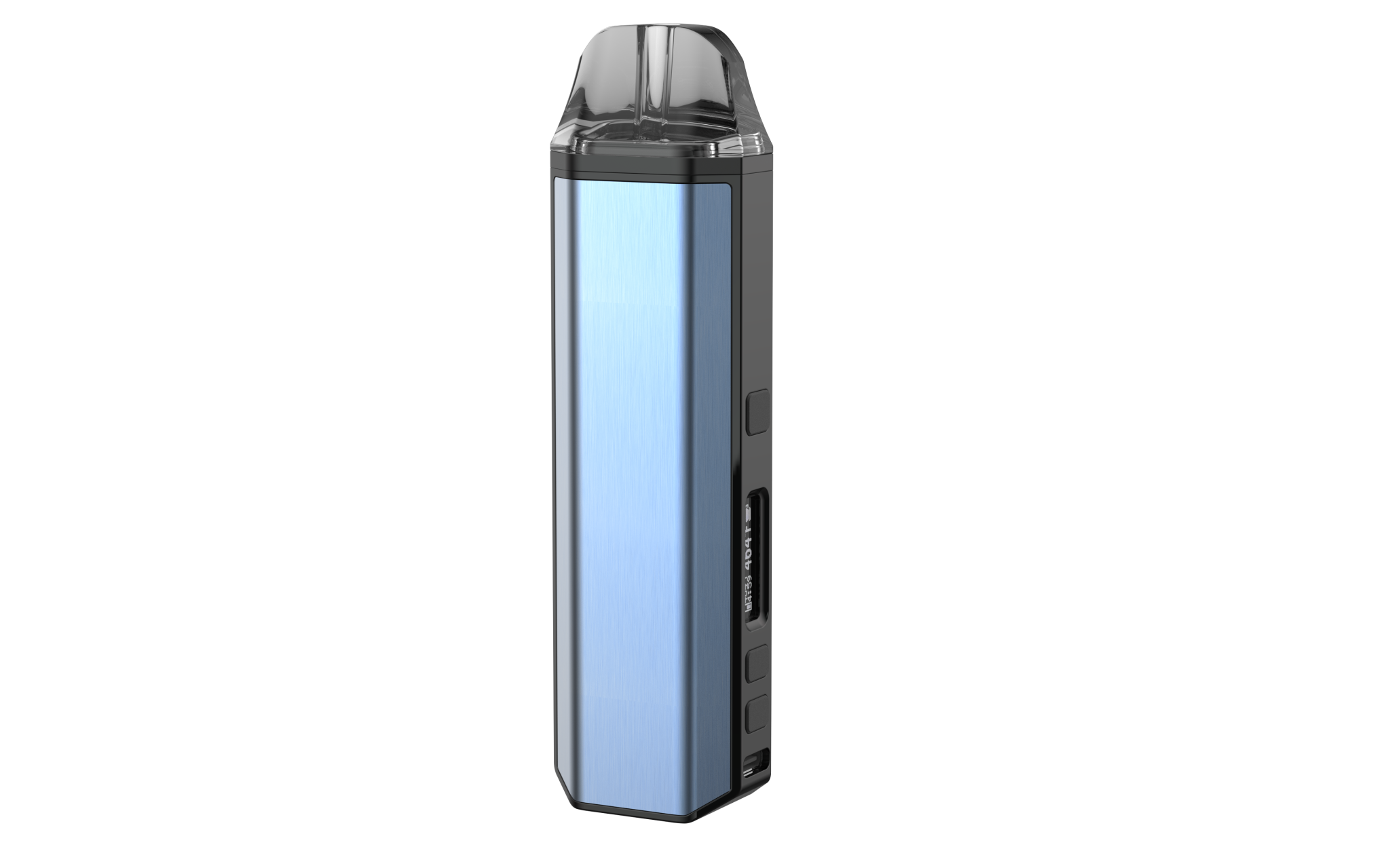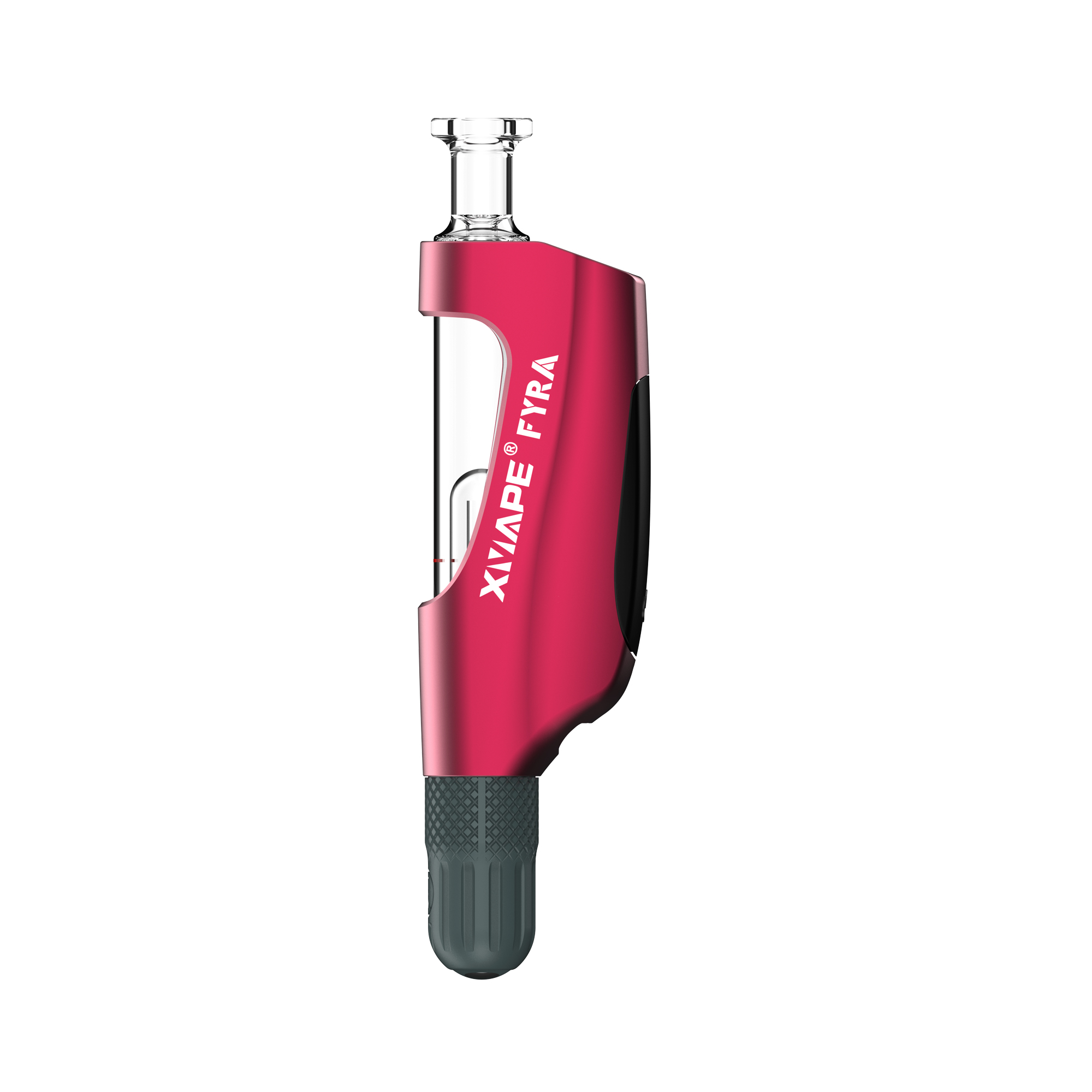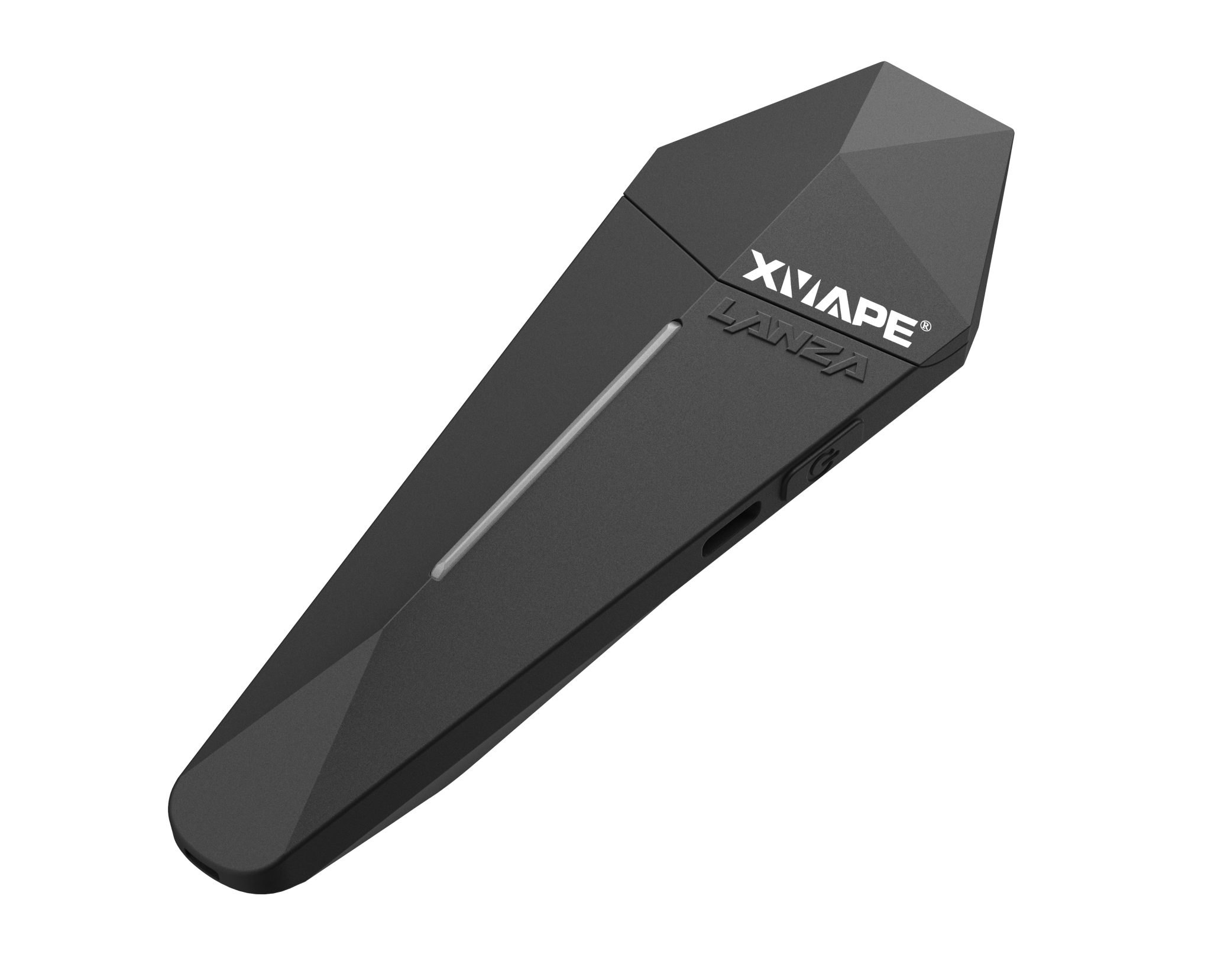
If you’ve heard friends talk about “vaping flower” and wondered what that means, you’re in the right place. A flower vaporizer is a device that heats ground botanical material to a precise temperature to release active compounds and aroma as vapor, not smoke. That single design choice changes flavor, feel, and cleanup in meaningful ways.
People often encounter oil pens first. Flower vaporizers are different. They use the raw plant, not a liquid extract, which makes the experience closer to traditional herb while still reducing harshness and odor.
How a Flower Vaporizer Works
Every device aims to do the same thing: warm the herb gently until its compounds evaporate into a breathable mist. There is no open flame. Instead, a small oven or chamber heats up, hot air moves through the plant material, and the vapor is pulled through a mouthpiece.
Two ideas matter most. The first is heat transfer. Some devices rely on the hot oven walls touching the herb, while others push hot air through it. The second is airflow. A clear, resistance-free path helps keep flavor crisp and extraction consistent.
Here are the three common heating styles found in modern vaporizers:
| Heating style | How it works | What it feels like | Best for |
| Conduction | The oven walls heat the herb by contact | Quick warm-up, denser first draws, can cook unevenly if packed tight | Short sessions, simplicity |
| Convection | Hot air passes through the herb | Even extraction, great flavor, slower ramp-up | Flavor chasers, longer sessions |
| Hybrid | Mix of conduction and convection | Balanced heat, good consistency, faster than pure convection | Everyday use, versatility |
No style is “right” for everyone. Flavor fans often lean convection. People who want quick hits during a walk might prefer conduction or hybrid.
Device Shapes and Session Styles
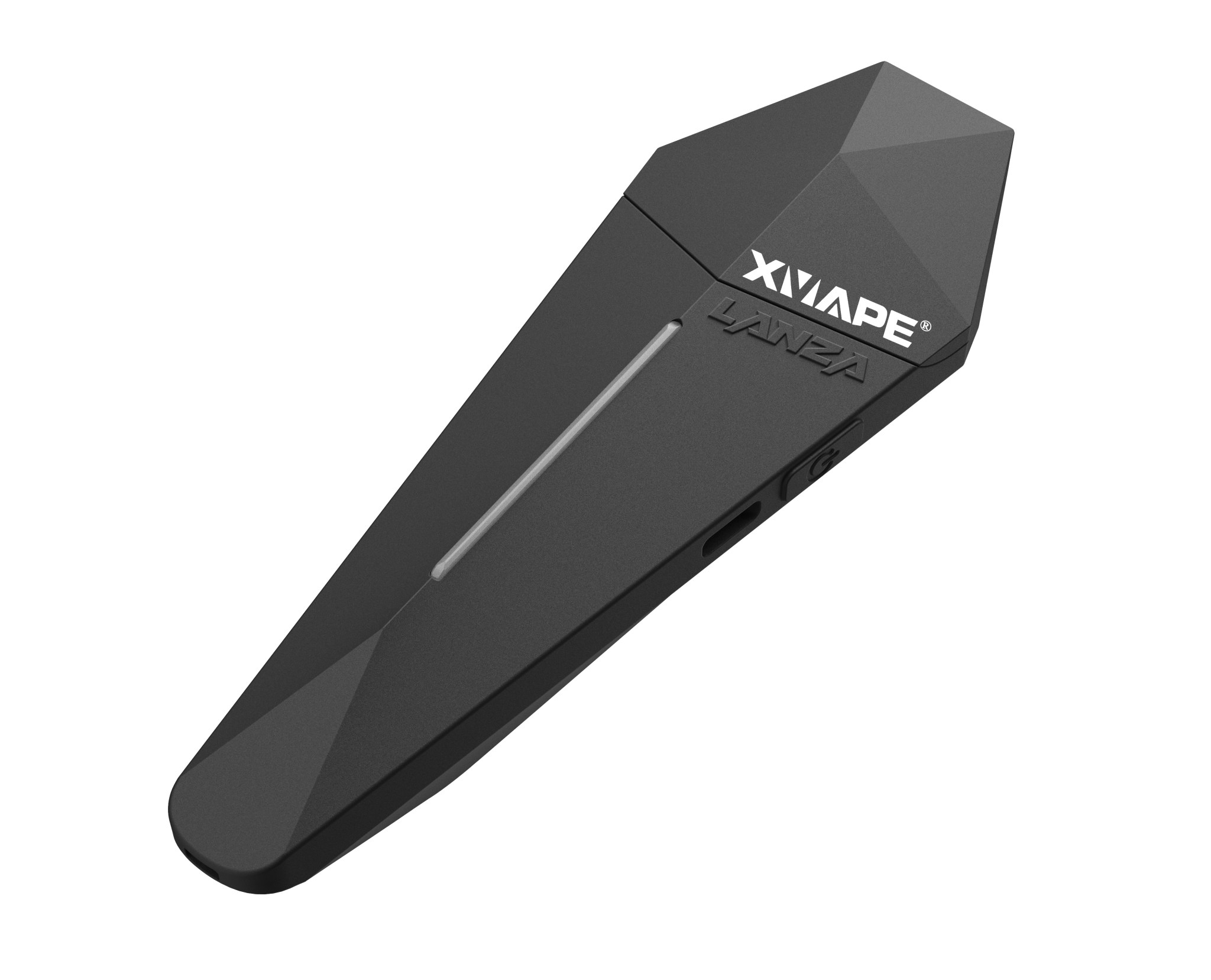
Form factor shapes how you’ll use the vaporizer. Portable models slip into a pocket, run on batteries, and are easy to handle at home or outside. Desktop units are plug-in devices meant for a table or counter. They provide steady heat, large chambers, and accessories like whips or balloons. There is also a difference in how devices deliver heat. Session-style vaporizers heat the oven and keep it warm during a 3 to 8 minutes window. On-demand models heat in short bursts only while you inhale. If you like sipping throughout the day, on-demand feels efficient. If you enjoy a set break, session-style is smooth and predictable.
Why Many People Choose Vaporizing
Compared to smoking, vaporizing changes the equation in several helpful ways. Without combustion, you avoid the ash and much of the lingering smell. Temperature control means you can aim for flavor, potency, or a balance.
- Cleaner taste
- Less lingering odor
- Gentler on the throat
- More control over effects
- Easier on indoor spaces
Many users also find they use less material when heat and airflow are dialed in. Efficiency is not guaranteed by the device alone, though. Packing technique and grind make a big difference.
Temperature Control and Flavor
Temperature is the steering wheel of a flower vaporizer. Lower settings bring out terpenes, the aromatic compounds that shape taste and head feel. Higher settings release heavier compounds that shape body feel and intensity.
- Low 320 to 350°F: bright flavor, clear head, lighter clouds
- Medium 351 to 390°F: balanced taste and potency, fuller vapor
- High 391 to 428°F: robust clouds, deeper body effects, toastier notes
Start at a moderate temperature like 350°F, which balances flavor and vapor production. You can adjust from there based on preference. Many people run a session in stages, moving from low to medium as the bowl matures.
A quick tip on accuracy: Temperature displays show the heater setting. Actual vapor temperature can vary slightly based on draw speed and ambient conditions, which is normal across all vaporizers.
Grinding, Packing, and the Draw
Grind consistency matters. Most portables prefer a medium grind, something like coarse sand. Too fine can choke airflow, too chunky can point to uneven heating.
Aim for a slightly loose pack unless your device manual suggests otherwise. Air needs room to move. If the oven feels tiny, fill it to the brim but avoid compressing with force. If you have a large chamber, a dosing capsule or spacer can help when you want smaller sessions.
Draw technique shapes the experience more than many realize. Slow and steady pulls let heat soak through the bowl. Very fast inhalations can cool the oven and thin the vapor. Very slow sips can overcook the area near the heater. Find a rhythm that keeps vapor visible yet smooth.
Properly cured herb works better than overly moist material. If your herb is very sticky, grind it and let it sit for a few minutes to ensure even vaporization.
A Simple First-Session Setup
Charge the device fully. Most portables arrive with partial battery, and full power helps stabilize heat. While it charges, clean the oven and mouthpiece with a dry cotton swab to remove factory residue. If the manual recommends a burn-off cycle, run it empty at a mid-high temperature for a few minutes.
Grind a small amount of flower. Load the chamber loosely, level with the top, and give it a gentle tamp just to settle the surface. Pick 350°F as a starting point. Allow the device to reach temperature and wait another 10 seconds if it is session-style.
Take a slow 4 to 6 second draw. Pause. Try a second draw. If vapor is thin and flavor is bright, step up to 365°F or 370°F. Continue for a few minutes. If the taste turns toasty and vapor drops, stir the bowl with a small tool, then take one or two more hits. Stop when the material looks even in color, usually a medium brown.
Sip water. A hydrated palate notices more flavor and your throat will thank you.

Common Mistakes and Easy Fixes
Overpacking is the classic issue. If you pack tightly, the outer layer cooks while the center stays green. Solution: lighten the tamp and improve airflow by mixing midway.
Chasing clouds with only heat leads to harshness. If you want denser vapor, try a slower inhale and mid-temperature instead of jumping straight to the max.
Ignoring the mouthpiece path invites reclaim buildup. That sticky film increases draw resistance and dulls taste. A quick clean every few sessions keeps things snappy.
Not all flower is the same. Very fresh material holds more moisture, which can mute vapor at low temperatures. If vapor feels weak, a small bump in heat or a few extra seconds of warm-up may fix it.
Cleaning and Care
A clean vaporizer tastes better and performs consistently. Resin and fine particles collect in the oven corners and along the vapor path. Good habits prevent bigger scrubs later.
- Brush after each session: a few strokes across the warm oven removes crumbs before they harden
- Weekly wipe-down: cotton swab lightly dampened with high-purity isopropyl on the oven rim and tool, keep liquid away from electronics
- Mouthpiece soak: removable parts soak well in a small dish of isopropyl, rinse and air dry fully
- Screen attention: swap or clean clogged screens to restore airflow
Avoid soaking the entire device. Liquids inside the heater or electronics can end a vaporizer’s life early. If your device uses o-rings or seals, a tiny bit of food-grade lubricant keeps them from cracking. Let all parts dry completely before reassembly.
Tuning for Your Goals
People use flower vaporizers for many reasons. Some want terpene-rich flavor and a clear headspace. Others prefer heavy, evening-style sessions. You can tune for either.
If taste ranks first, keep temperatures in the low to mid range and stir between draws to prevent hot spots. If intensity sits at the top of your list, step temperatures upward during a session and extend draw length slightly. For discretion in shared spaces, use smaller bowls and exhale slowly to minimize visible vapor.
Portables can thrive with routine. Keep one temperature preset for mornings and another for nights. The more you set, the less you fiddle.
Safety, Health, and Legal Notes
Vapor is not smoke, and many users report a smoother experience. As with any inhalation, individual responses may vary, and those with pre-existing health conditions should consult a healthcare provider. Start low, take breaks, and avoid pairing with driving or tasks that demand attention. If you have a lung condition, heart condition, or take medications that interact with cannabinoids, speak with a clinician first.
Buy devices from reputable brands with proper materials. The oven and vapor path should be made from metals and polymers rated for heat. Reputable brands provide clear materials specifications and safety documentation—something to look for when choosing a device.
Laws vary by location. Use only where allowed and only if you are of legal age. People in shared housing should also check lease rules and community guidelines. Responsible choices today keep doors open tomorrow.
Travel and Storage
Battery devices do not love extreme heat or cold. Store at room temperature with a partial charge when not in use for long stretches. Keep herb in airtight containers away from sunlight to preserve terpenes.
When traveling, carry the device and batteries in your personal bag, not checked luggage. Empty and clean the oven before crossing borders or entering places with strict rules. Keep a small brush and alcohol wipes in your kit so you can stay ahead of buildup during a trip.
Troubleshooting Quick Hits
If vapor is harsh from the first draw, lower the temperature by 10 to 15 degrees and lengthen the wait time before inhaling. If vapor is thin, check the grind and pack. A slightly finer grind with a gentle tamp can boost extraction without spiking heat.
If flavor drops off quickly, stir the bowl and try a lower temperature on the next session to preserve terpenes longer. If the draw feels tight, clean the screen and mouthpiece, then test airflow without herb to rule out a blockage.
- Screen clogged
- Herb too moist
- Battery weak
- Pack too tight
A small kit helps. Keep spare screens, a stir tool, cotton swabs, and a travel brush near your device. That tiny bit of prep saves sessions.
Care Checklist You Can Keep
- Brush after each bowl: prevents baked-on residue
- Deep clean monthly: soak removable parts, wipe oven rim, dry fully
- Rotate screens: fresh screens restore flavor and flow
- Mind the battery: avoid full drains, recharge before storage
- Watch seals: replace worn o-rings for tight connections
Treat your vaporizer like a favorite kitchen tool. A little care, used regularly, keeps performance high and flavor bright.
Bringing It All Together
That’s the core idea. With thoughtful temperature choices, a steady draw, and a clean vapor path, a flower vaporizer can offer consistent flavor and a more controlled daily routine. When choosing a device, prioritize accurate temperature control, well-designed airpaths made from durable materials such as ceramic or glass, and a structure that is easy to clean and maintain. XVAPE designs its portable vaporizers around these principles, offering digital temperature controls and carefully engineered airpaths that support consistent, everyday use. From there, it comes down to personal routine—start low, make small adjustments, and refine your approach over time.