People ask this a lot because they feel the difference the first time they switch to portable vaporizers. The hit from a dry herb vaporizer feels cooler, the odor fades faster, and the next morning often brings less scratchiness. That lived experience matches much of what lab tests show, with some important caveats.
No device that sends particles into your lungs is “safe.” What you can do is lower exposure to the things that irritate and inflame airways. Using a vaporizer for dry plant material, when done carefully, tends to reduce several of the worst offenders created by combustion.
What changes when you remove flame
Combustion is a chemical chain reaction. A lighter pushes plant material past 600 Celsius, and the tip can soar higher. That heat tears apart molecules and generates smoke loaded with tiny solids, sticky tars, carbon monoxide, and a suite of gas-phase toxins.
A dry herb vaporizer heats the same plant to a much lower range, typically 160 to 220 Celsius. Instead of burning, it releases cannabinoids and terpenes as an aerosol. It looks like “vapor,” but it is still a mix of droplets and gases. The key difference is not the form, it is the contents, the temperature, and the vapor quality. Temperature control is the big advantage. Stay in the lower range and you reduce thermal breakdown products. Climb too high or pack a device carelessly and you push parts of the bowl into charring, which reintroduces smoke byproducts. Technique matters.

What research says about lung impact
Clinical and lab studies point in the same direction. When researchers compared cannabis vaporization to smoking, they found similar blood levels of active compounds with dramatically lower carbon monoxide. Carbon monoxide is a red flag for combustion and ties to reduced oxygen delivery.
Survey work adds a practical layer. People who switched from smoking to vaporizing reported less coughing, less phlegm, and fewer episodes of tightness over several weeks. These are self-reports, not spirometry in a lab, but the pattern repeats across datasets.
This does not mean vaporized botanicals are free of irritants. The aerosol still carries ultrafine particles, plant waxes, and terpenes that can sting sensitive airways. Preexisting asthma, recent respiratory illness, or a tendency toward bronchospasm can make any inhaled product feel rough.
A separate note on internet myths. “Popcorn lung” is linked to high exposure to diacetyl in some flavored e‑liquids and certain occupational settings. Dry herb vaporizers are not flavored e‑liquids, and diacetyl is not added to whole plant cannabis. That said, heat can degrade terpenes and oils into new compounds, which is part of why temperature discipline is worth the effort.
A side by side look
Here is a snapshot of the main differences people care about.
| Factor | Burning plant material | Dry herb vaporizer | What it means for lungs |
| Typical operating temperature | 600 to 900°C at the cherry | 160 to 220°C set by device | Lower heat curbs many thermal byproducts |
| Carbon monoxide | High | Low | Less strain on oxygen transport |
| Tar and ash | Present | Minimal to none | Lower sticky residue in airways |
| Particulate load | High, mixed sizes | Lower, still ultrafine particles | Less, but not zero, airway burden |
| Polycyclic aromatic hydrocarbons (PAHs) | High | Lower | Reduced exposure to known carcinogens |
| Smell and lingering smoke | Strong | Milder | Less odor, fewer irritants in the room |
| Immediate throat hit | Harsh at times | Smoother at moderate temps | More comfortable for many users |
| Control over dose | Harder to repeat | Repeatable by temp and draw | Easier to keep sessions mild |
One line in that table deserves extra emphasis. There is no tar in properly vaporized output. That change alone shifts how your lungs handle residue, especially if you inhale daily.
The PAH reduction is equally significant, though less visible. Polycyclic aromatic hydrocarbons form when organic material burns incompletely at high temperatures, a process influenced by techniques. These compounds have been studied extensively in tobacco smoke and are classified as carcinogens. When you keep a vaporizer below 220 Celsius, you stay well under the threshold where PAHs begin to form in measurable amounts. Studies comparing smoke to vapor have found PAH levels drop by 90 percent or more with proper vaporization. This is not a minor improvement—it is a fundamental shift in what enters your respiratory system session after session.
Technique matters more than people think
Two people with the same vaporizer can have very different experiences. Small changes in routine move the needle on comfort and risk.
- Start low, step up slowly
- Sip instead of ripping
- Keep bowls loosely packed
- Stir or tap between draws
- Clean the airway and screens often
Short, gentle draws keep the heater from spiking and help avoid localized charring. Long, forceful pulls can overheat the core of the load and scorch edges, which defeats the purpose. If your device supports it, step temperature in stages across the session rather than setting it high from the start.
Breath-holding does not make vapor more efficient. Most absorption happens quickly. Holding the breath increases deposition of particles deeper in the lungs without a clear benefit. A smooth inhale, brief pause, and relaxed exhale gives you most of the effect with less irritation.
Vapor quality tells you whether your technique is working. Good vapor should be smooth, taste clean, and leave minimal throat scratchiness. If you see thick, harsh clouds or taste something burnt, you are pushing too hard—either temperature is too high, the draw is too forceful, or the bowl is packed too tight. Thin, wispy vapor with full flavor means you are in the sweet spot. If vapor tastes stale or metallic, check your device for residue buildup or worn seals.
Device choices that influence harshness
Not all portable vaporizers treat your lungs the same. Heating design and build materials affect both flavor and the chemistry of what reaches you.
- Convection vs conduction: Convection heats air, which then extracts compounds from the plant, often gently and evenly. Conduction heats the oven walls and can singe if you push temps or pack tightly.
- Temperature precision: Digital readouts with fine increments make it easier to stay in the sweet spot, roughly 180 to 200 °C, or 356 to 392 F.
- Airpath materials: Preference for glass, ceramic, and stainless steel keeps added flavors and residues low. Plastics near the heater are best avoided.
- Cooling and distance: Longer vapor paths, cooling stems, or water adapters take the edge off heat before it reaches you.
- Maintenance access: Easy-to-clean screens and chambers reduce buildup that can char during later sessions.
Device aging affects output quality in ways most users overlook. Heating elements degrade over hundreds of cycles, and silicone or rubber seals can off-gas as they wear down. A coil that once held steady at 185°C might now swing between 175 and 195, creating uneven extraction and occasional hot spots. Cracked seals let outside air dilute the vapor path or introduce plastic odors. Check your device every few months for discoloration around the oven, cracks in gaskets, or changes in draw resistance. If flavor turns acrid or sessions feel harsher without changing your technique, or if you notice changes in vapor quality, the hardware may need attention. Replacing worn parts keeps your sessions consistent and avoids introducing new irritants that have nothing to do with the plant material itself.
Herb quality plays a role too. Well cured, properly dried material vaporizes more evenly. Overly moist plant matter can require higher temps to start producing vapor, which invites hot spots. Very dry herb can feel sharp unless you lower the temperature and pull more gently.
Risks that do not go away
Even with clean technique and good equipment, inhalation carries costs. Repeated exposure to ultrafine particles can nudge airways into low-grade inflammation. Those with chronic bronchitis or reactive airways may feel tightness after sessions, even when temperatures stay conservative.
Allergies and sensitivities matter. Some people react to certain terpenes at modest levels. Others react to trace molds in poorly stored material, which can cause more than irritation. If you use botanicals beyond cannabis, research their safety when heated, since not every plant is suitable for inhalation.
Second hand emissions are still emissions. The aerosol plume disperses faster than smoke, and the smell fades quickly, but shared indoor spaces can accumulate fine particles. Good ventilation helps, and a compact outdoor session helps even more.
Daily use is not the same as occasional use. Frequency, session length, and depth of inhalation shape outcomes over time. A weekly session with a careful approach using a vaporizer is a different proposition than multiple daily sessions at high heat.
Setting realistic expectations
If you currently smoke plant material and switch to a dry herb vaporizer at moderate temperatures, you are likely to notice fewer coughing spells and less morning phlegm after several weeks. Many regular users report easier breathing during light exercise. These are common outcomes, not guarantees.
If you do not smoke now and have no reason to inhale anything, your lungs do not benefit from starting. The absence of smoke is not the same thing as benefit. Oral routes like tinctures or edibles bypass the airways entirely and avoid inhalation concerns, although they come with their own timing and dosing quirks.
People with serious heart or lung disease should speak with a clinician before trying any inhaled product. Carbon monoxide drops with vaporization, which is positive for the cardiovascular system, but other stressors remain. A quick conversation with a professional who knows your history can prevent a rough patch.
When skipping inhalation is smarter
Some situations call for patience rather than a session.
- Active respiratory infection: Give airways time to recover before any inhalation.
- Asthma flare: Heat, terpenes, and particles can intensify bronchospasm.
- Recent surgery: Coughing pressure can interfere with healing.
- High sensitivity to odors or terpenes: Consider non-inhaled routes to avoid triggers.
Practical settings and small tweaks that help
Finding your personal comfort zone turns this from guesswork into a repeatable routine.
- Temperature sweet spot: Many find 180 to 195 °C, or 356 to 383 F, gives a smooth draw with fewer throat complaints.
- Grind and pack: Medium grind and a light tamp promote airflow and even extraction.
- Session length: Short sessions with breaks let you assess comfort before taking another draw.
- Hydration: Sip water during and after. Warm beverages can soothe if you feel dryness.
- Cleaning rhythm: Wipe the oven and change screens on a schedule so residues do not bake into hot spots.
One last pointer on expectations. You can optimize for comfort, flavor, or potency, but pushing all three at once usually sends temperatures higher and the draw harder. If your top goal is treating your lungs gently, let flavor and comfort take the lead and accept a slower build.
Where does that leave the core question? Less carbon monoxide, no tar, lower levels of several combustion toxins, and better control over temperature all point toward a kinder option for your lungs when compared to smoke. That is a strong step in the right direction.
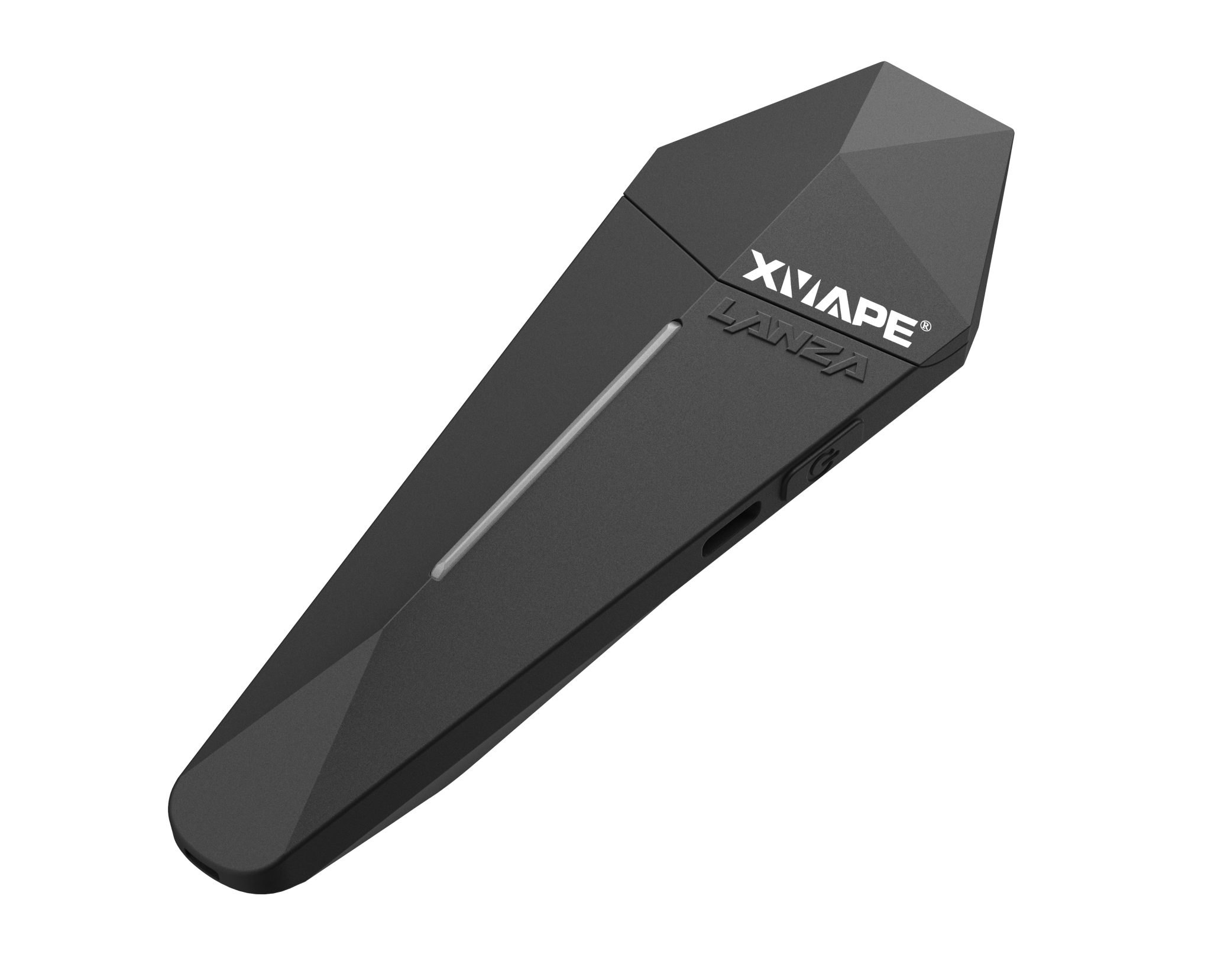
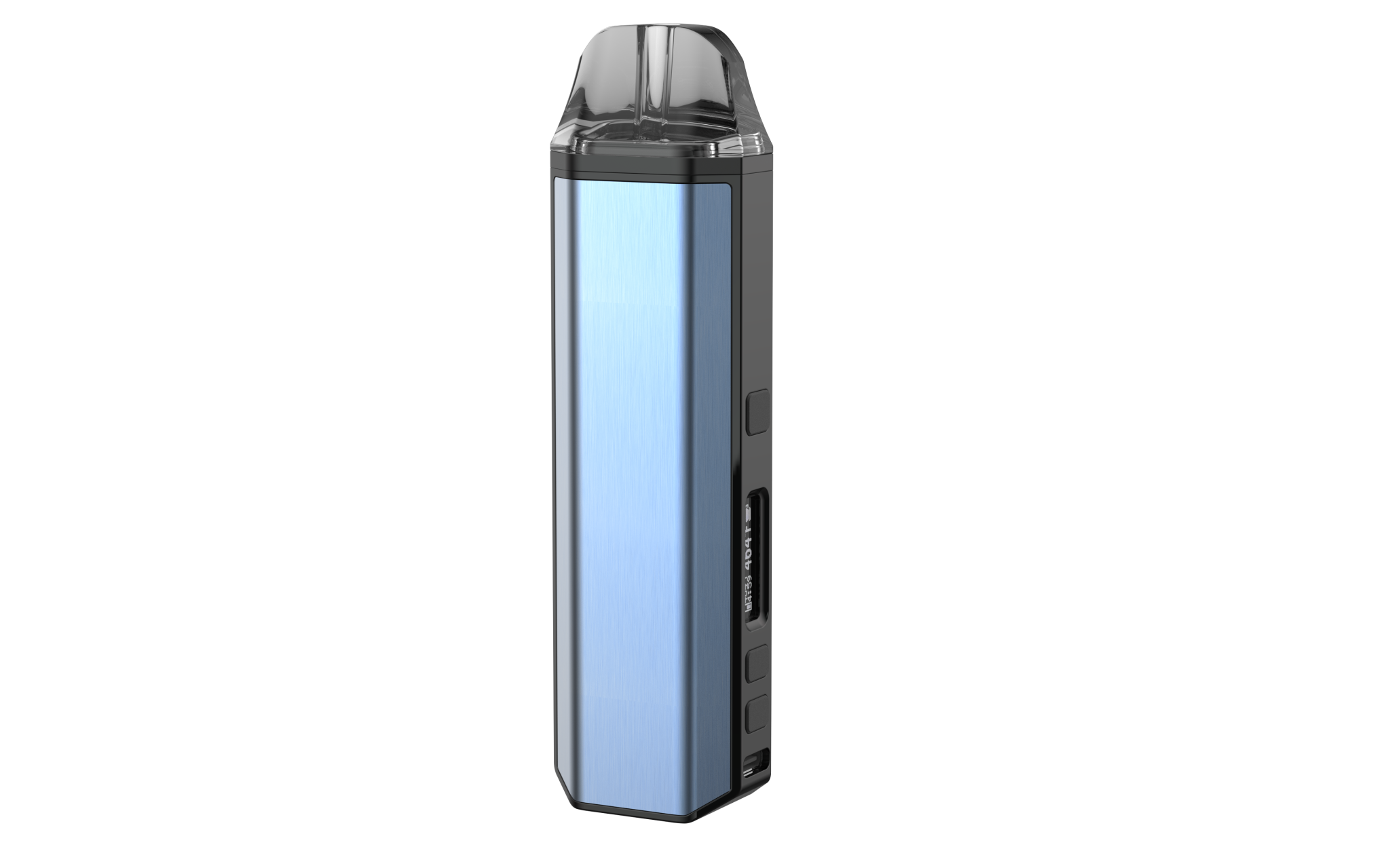
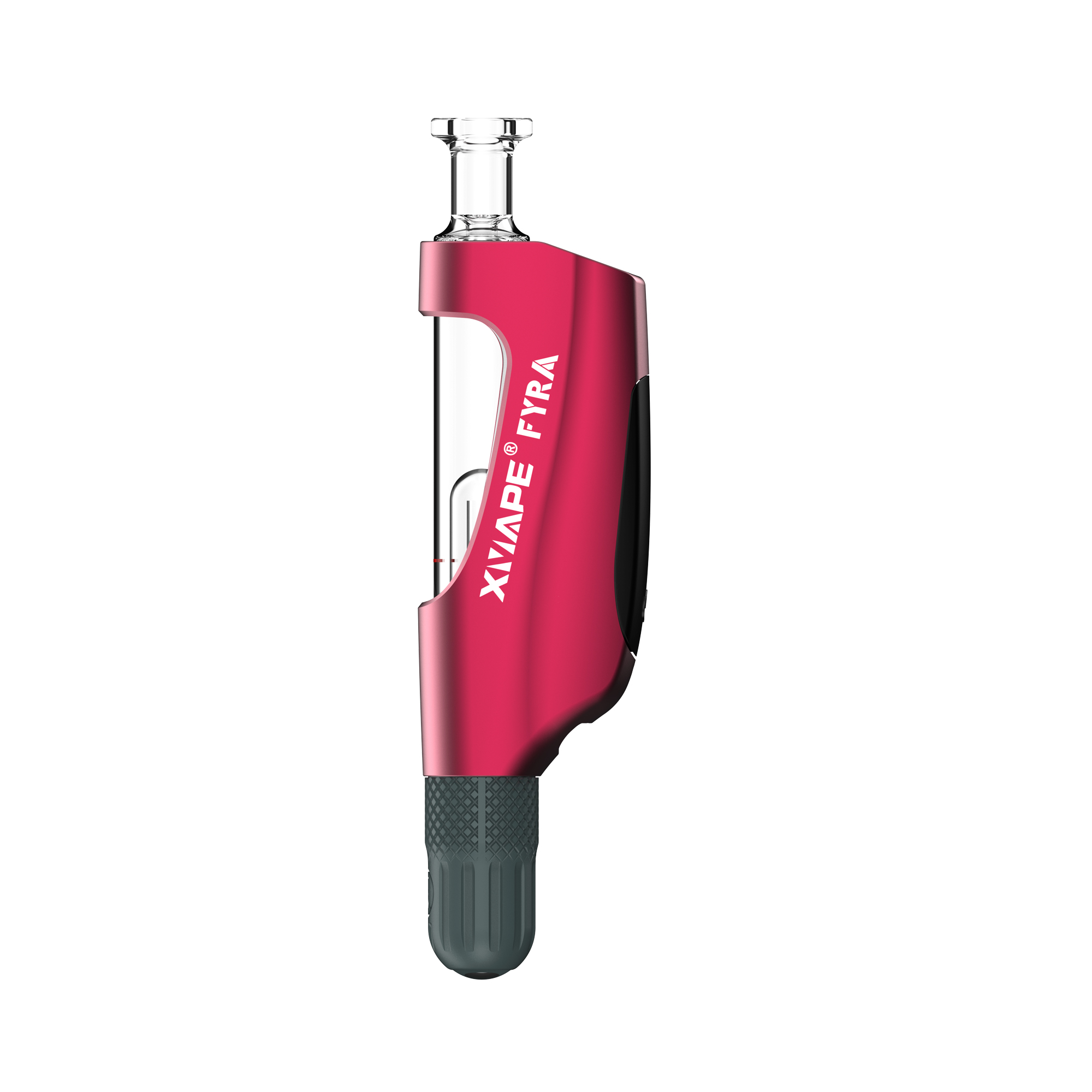
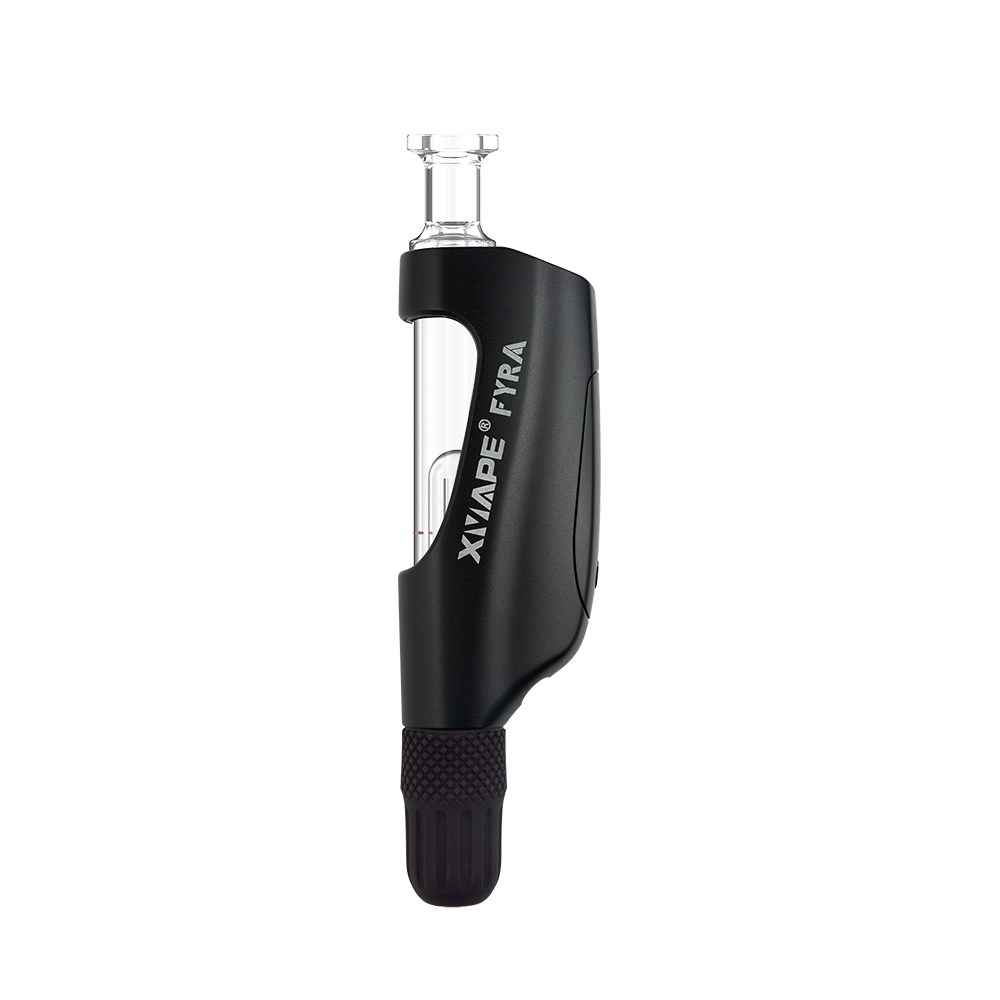
If you decide a dry herb vaporizer fits your routine, invest in a device with precise temperature control and quality airpath materials.XVAPE models,for example, offer digital temperature readouts and ceramic chambers that make it easier to maintain consistent, lower-temperature sessions with greater control.