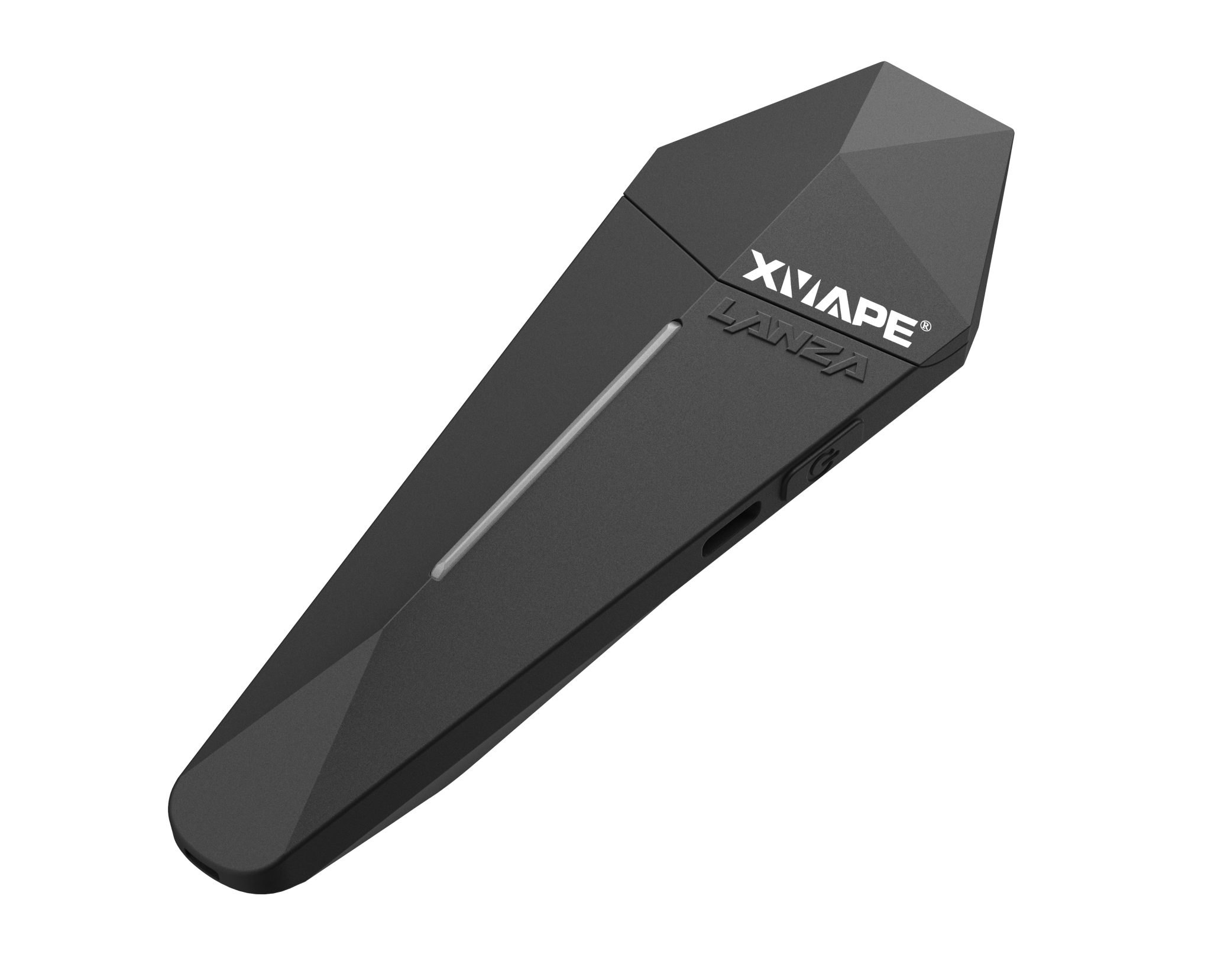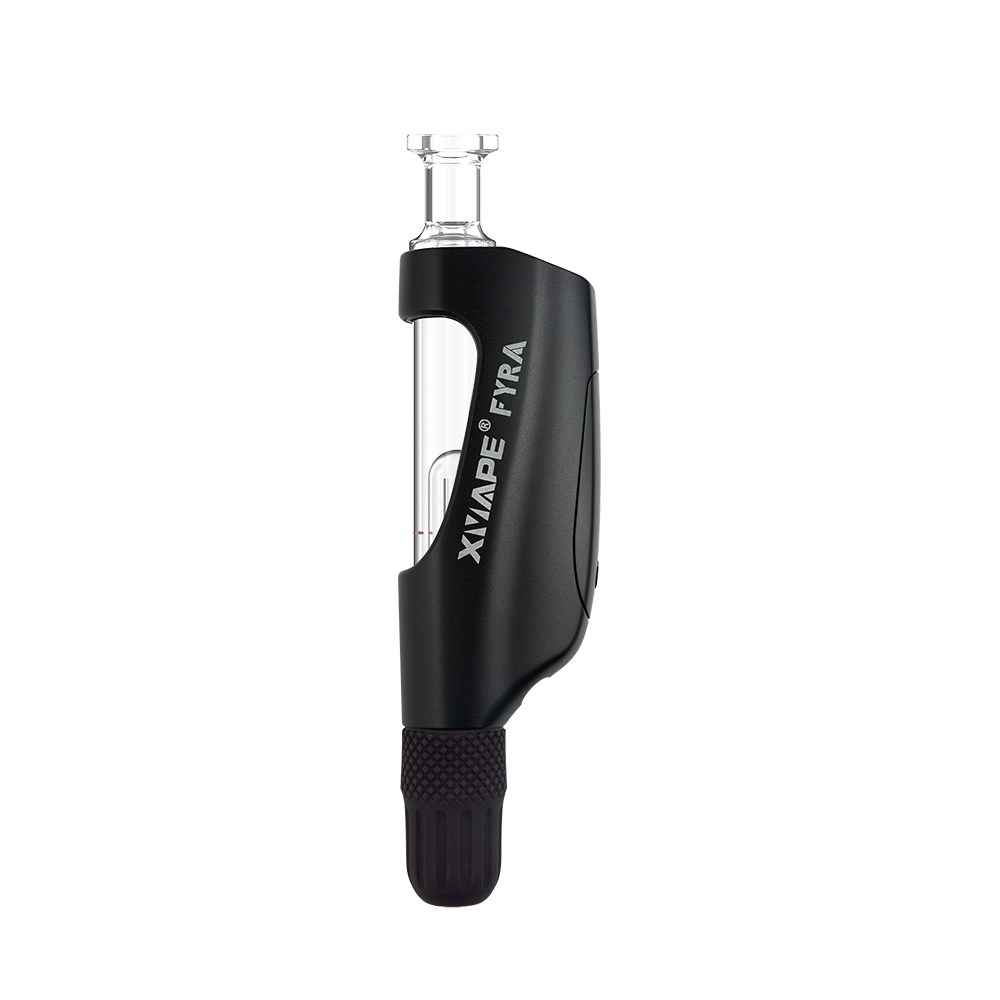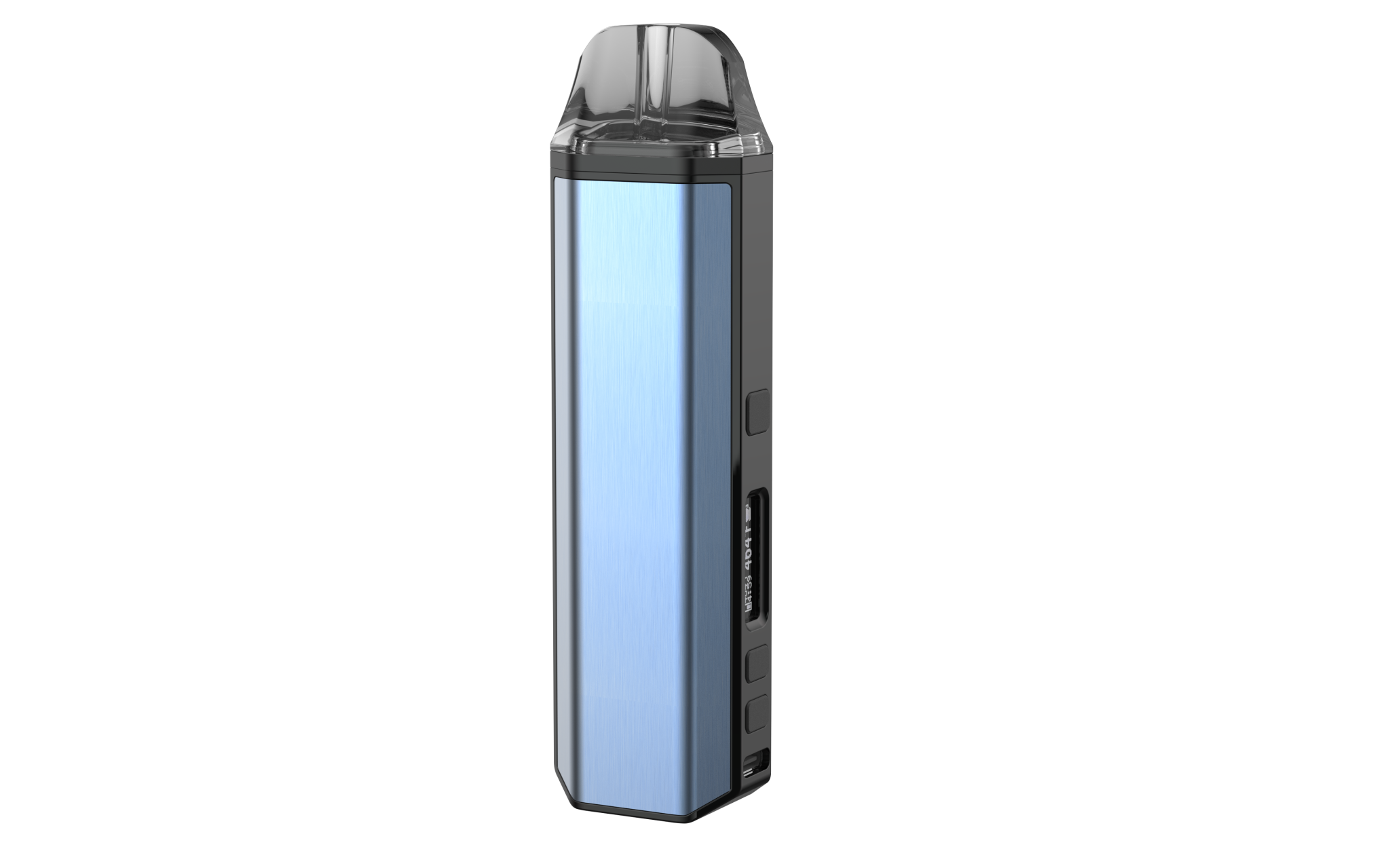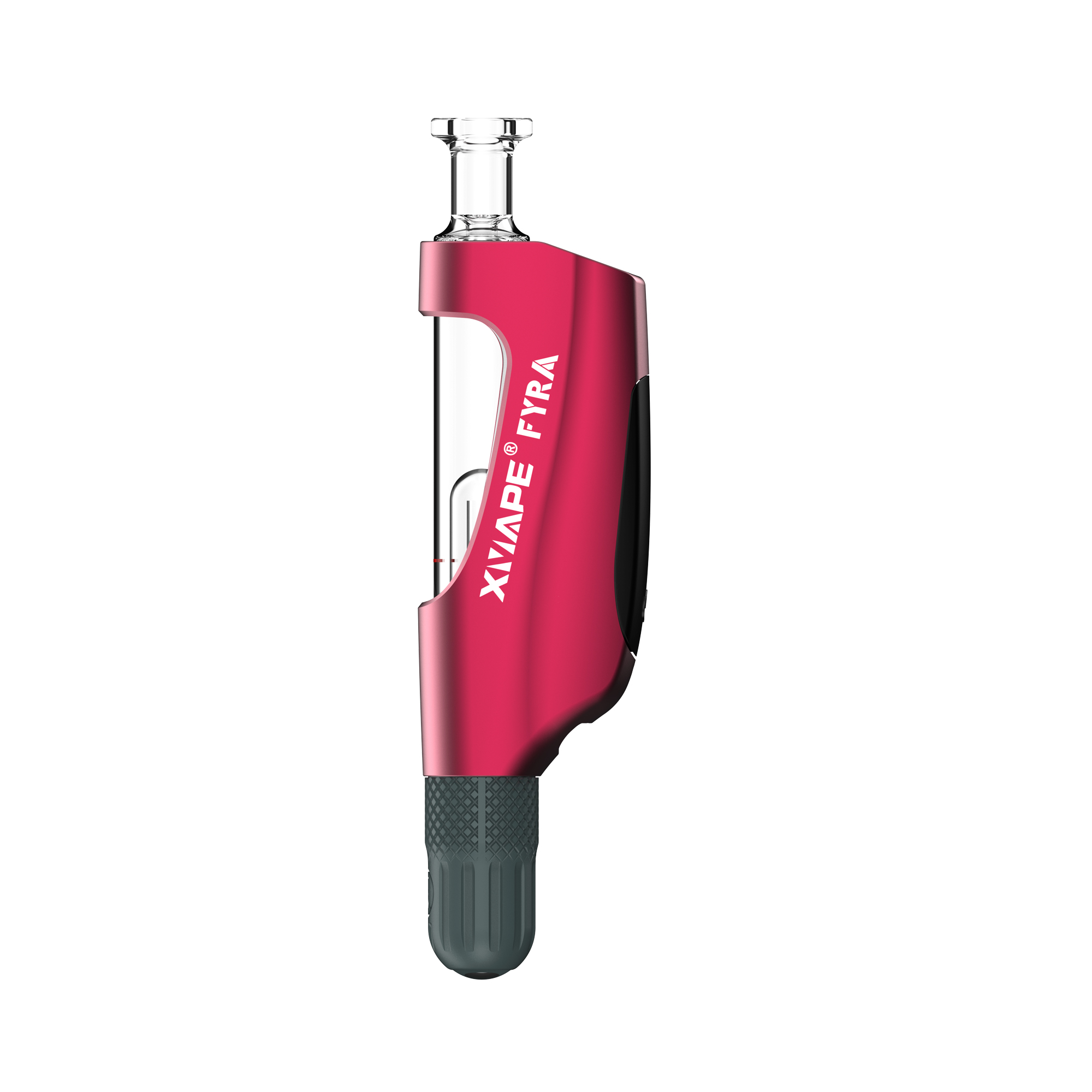
Fire changes plants. Heat does too, but in a very different way. That simple distinction sits at the center of the smoking versus vaping conversation, especially for dry herb. Burn the material and you create smoke with thousands of byproducts. Heat the herb below the combustion point and you release vapor that carries the plant’s aromatic and active compounds with far fewer extras. The flavor tells the story right away. So does how you feel, and how your lungs feel later.
People switch methods for many reasons. Some want cleaner taste, some want more control, some want a gentler experience on throat and chest. Many want all three. Modern herb vaporizers deliver that blend through precise temperature control and efficient extraction, which is why so many long-time smokers keep a grinder nearby, then reach for a vaporizer first.
Combustion vs. vaporization: what really happens
Combustion starts around 451 °F for plant matter. At this point, you get visible smoke from pyrolysis and burning. That smoke carries cannabinoids and terpenes, but it also carries tar, carbon monoxide, and a swarm of reactive compounds. The harshness you feel is not imaginary. Your senses are giving you feedback about the chemistry.
Vaporization sits below the ignition point. Most terpenes volatilize between 250 and 350 °F. Many cannabinoids vaporize between 315 and 430 °F, with THC near the lower end and CBD needing a bit more heat. That gap is where you can steer flavor and strength without charring the material. A good herb vaporizer holds that temperature steady, which means repeatable sessions and predictable outcomes. When heat stays in the sweet spot, plant fibers brown and dry, but they do not burn. You exhale a light mist rather than clouds of smoke. That mist still carries what you want from the herb, minus the combustion byproducts. Your space smells different too. Less lingering, more botanical.

Flavor: smoke’s roar vs. vapor’s spectrum
Smoking can taste iconic, even nostalgic. It also blunts nuance. Many of the most delicate terpenes scorch at high temperatures. Think citrus, pine, floral notes. These fade fast in smoke. Vapor preserves them, especially at the lower end of the temperature range.
A well-designed herb vaporizer highlights the full arc of a bowl. Early draws taste bright and complex. Mid-session, the profile deepens. Near the end, the notes shift toward toasted and earthy. That progression makes a session feel layered, not one-note.
After a few sessions, many people report a kind of palate reset. Once you get used to vapor, the ashy edge in smoke stands out sharply, a bit like switching from charred toast to a bakery loaf.
Here is how the experience often feels, boiled down:
- Brighter aromas
- Less acrid bite
- A longer flavor runway
Potency and efficiency: getting more from the same herb
Potency can feel subjective, yet efficiency is measurable. When you burn herb, a portion of active compounds literally goes up in smoke. That is lost to the open air. Vaporization can extract a high percentage of cannabinoids and terpenes with minimal waste. Consistency helps too. The same draw, at the same temperature, with the same grind leads to repeatable outcomes.
People often notice that the spent material from a vaporizer, sometimes called ABV or already vaped bud, still holds a bit of value. That means two things. First, you probably pulled most of the actives through vapor already. Second, if you save ABV, you can use it in mild edibles or tinctures. Nothing similar remains after smoking. Ash is ash.
A quick side-by-side helps make things clear.
| Factor | Smoking | Vaping dry herb |
| Onset | Fast, sharp | Fast to moderate, smoother ramp |
| Control | Hard to fine-tune mid-session | Precise temp control and dosing |
| Extraction | Variable, burn hot spots | Even extraction across the bowl |
| Flavor life | Short, fades quickly | Long, evolves through session |
| Byproducts | Tar, carbon monoxide, PAHs | Fewer irritants, no ash |
| Leftovers | Ash only | ABV with mild remaining actives |
| Cost per session | Higher due to waste | Lower due to efficiency |
People who switch often report using less herb per session without feeling shortchanged. That adds up, especially for daily use. When a device reaches a perfect balance between performance, purity, and price, your stash stretches further without a drop in quality.
Health signals: less smoke, fewer irritants
No method that involves inhalation is risk free. Still, lower temperature vaporization removes the central issue that makes smoke rough on the body. Combustion forms tar and carbon monoxide. Vaporization avoids both. Lab measurements of vapor show markedly lower levels of many combustion-driven toxins compared to smoke.
The difference shows up in everyday signals. Many users report fewer coughing fits, less tightness in the chest, and easier breathing the next morning. Sensitive throats appreciate cooler vapor, especially with a longer mouthpiece or water tool. People who are heat sensitive can drop temperatures and sip slowly. That option does not exist when something is on fire.
Quality of materials matters. Airpath construction, heating technology, and sensors all contribute to cleaner vapor. Look for devices that feature isolated airpaths and use high-grade materials to ensure that nothing interferes with the flavor. High quality without the high cost should not be a slogan. It should be the baseline.
Temperature control: tuning for flavor or punch
The temperature you pick steers the session. Lower temperatures spotlight terpenes. Higher temperatures pull deeper into the cannabinoid spectrum and increase vapor density. There is no single right answer. There is the right answer for the moment.
Start low and step up. That simple practice turns one bowl into a composed tasting session and lets you stop exactly when you reach the effect you want. Precision on the screen or with haptic feedback helps build a routine you can rely on.
Here is a quick guide you can try today.
- Flavor seekers: 330 to 360 °F, slow sips, short session
- Balanced sessions: 360 to 390 °F, steady draws, medium session
- Maximum extraction: 390 to 410 °F, strong pulls, finish the bowl
Try not to exceed 420°F unless you want a heavier, roasted profile. Past that range, the risk of scorching rises and the character shifts toward smoke.
Grind, pack, and draw: technique that pays off
Small tweaks change outcomes. A medium grind exposes surface area without turning the bowl into dust. Pack gently. Leave room for air to move. Convection-oriented devices prefer a fluffy load. Conduction-oriented devices do better with a light tamp to promote contact. Stir once mid-session if the flavor drops off early.
Draw style matters too. Sip, do not rip. Five to eight seconds, steady, not too forceful. Think about pulling warm air through the oven rather than trying to create a cloud by strength alone. If a device allows, preheat fully before the first pull to saturate the bowl evenly.
Keeping hardware clean keeps flavor clean. Wipe the oven and mouthpiece after every few sessions. Soak screens and glass in isopropyl alcohol, then rinse well. A clean airpath makes low temperatures shine and helps maintain purity.
Cost of use: stretching your stash without compromise
Per-session cost is more than the sticker price on the device. It includes how much herb you use, how much effect you get from that herb, and how often you replace parts. Good vaporizers reduce waste. That is plain math. If you use 25 percent less material to reach the same effect, a device pays for itself quickly.
Filters, screens, and batteries add maintenance costs. Choose models with affordable parts, easy cleaning, and smart power management. You want long sessions on a single charge and quick top-ups through USB-C. Simple designs with durable materials last longer than flashy gimmicks.
A brand that leads on vaporizer tech should make that math easy. High quality without the high cost is not just a tagline when engineering focuses on performance, purity, and price in equal measure.
Choosing a device: features that matter
Any well-built vaporizer will heat herb. The right one for you will heat it well, hold that heat steady, and keep the vapor path clean. Fit and finish have value, but the inside matters more.
Before you pick, think through your habits and space. Do you want pockets and stealth, or does a desk unit fit your routine better. Do you prefer a quick two-minute session, or long sips while you read. Answer those questions and the list of options shrinks to a handful.
Now consider the specs that separate okay from excellent.
- Clean airpath with inert materials
- True temperature accuracy within a few degrees
- Convection or hybrid heating that resists hot spots
- Replaceable or long-life battery
- Fast heat-up under 30 seconds
- Simple maintenance with accessible parts
Customer care and warranty support round out the choice. Pick companies that stand behind the product and support it in plain language. US designed devices often show that focus on long-term reliability, with parts and service that are easy to reach.
Flavor retention test: a simple at-home check
You can test flavor and purity without a lab. Load a small bowl of a favorite strain you know well. Set the device at 350 F. Take two slow draws, then let the oven rest for 20 seconds to prevent overheating the chamber walls. Take two more. Note the taste. Raise the temperature to 375 °F and repeat. Finish at 395 F.
A clean, well-calibrated vaporizer will give you four to six distinct flavor moments before turning toasted. If everything tastes the same by the third draw, that is a sign of poor heat distribution or residue in the airpath. Clean it and try again. If flavor still collapses early, consider a model with better insulation or hybrid heating.
Smoking’s place and vaping’s promise
Smoking is instant, simple, and familiar. No batteries, no menus. That remains a strong pull for many people. For others, the trade-offs feel heavy. Ash, odor, throat bite, and the cost of inefficiency add up.
Using an herb vaporizer takes a minute to learn. Then it becomes second nature. Grind, load, set temperature, and breathe. Fewer irritants, more nuance, and reliable effects form a clear value proposition. For daily herb users, that is often the tipping point.
Quick tips for better sessions
Small fixes often deliver big upgrades. Start with a fresh battery or a full charge, and keep the oven no more than three-quarters full to avoid choking airflow. If vapor feels thin, raise the temperature in small steps rather than big jumps. The mechanics matter just as much: aim for a medium, fluffy grind, pack with a light tamp, and take slow, steady draws lasting five to eight seconds.
That combination surfaces the plant’s true character and preserves the calm, clear side of the experience. Over time, every step becomes instinct. When you rely on a solid herb vaporizer from a pragmatic brand like XVAPE, the gear disappears, allowing the material to take the stage.